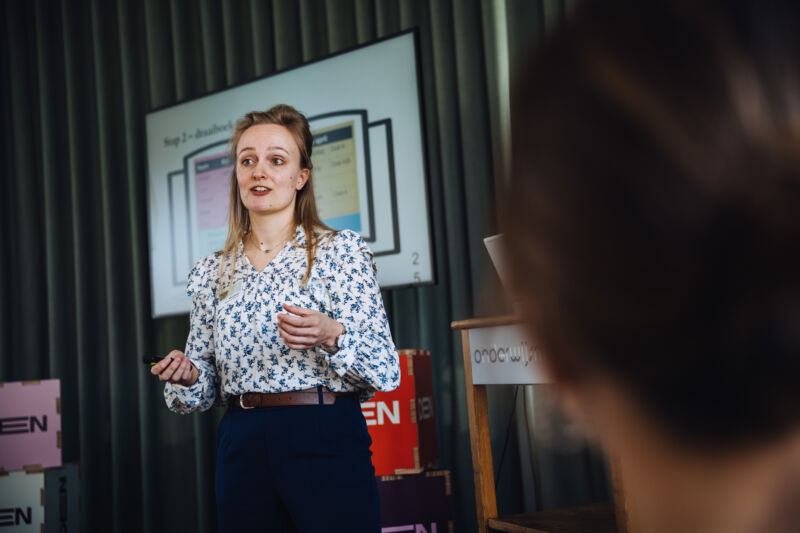
When Jan-Hein Sloesen started as director-manager at De Kring in Roosendaal, the theme of inclusion began to emerge. "Our goal was to achieve more participation and accessibility for all people. The reason for going digital was therefore our pursuit of diversity and inclusion," says Jan-Hein.
A digital strategy for inclusion
It all started with a collaboration with Theaterwerkplaats Tiuri. A place for people with (cognitive) disabilities. De Kring had an empty hall that Tiuri wanted to use for their performances. The collaboration took shape through an application via Fonds Cultuurparticipatie, where ensembles collaborate with people with physical or intellectual disabilities.

A significant audience
Attending the theater is too overwhelming for many people. For example, due to traveling to the theater, standing in line for the hall, and the crowds. This creates a lot of stimuli and is exhausting for people with, for instance, brain injuries. De Kring became aware of this through a conversation with someone with such an acquired brain disorder.
10% of the population lives with a disability. How do you engage this audience?
“We can do much more for a new audience. Moreover, 10% of the population cannot attend the theater due to a disability. This makes it not only worthwhile in terms of inclusion but also in reaching a new audience for the cultural sector. And so we decided to bring the theater to these people's homes.”
What is needed to create virtual performances?
Trust
First of all, trust from performers, colleagues, and competitors is needed to make the investment. Jan-Hein started his plans long before the coronavirus crisis: “At that time, I had little support. Performers did not see the potential, and some fellow theater directors distrusted our plans because they feared competition with local theaters. The solution was an agreement that the number of virtual tickets could not exceed the number of physical visits. Nowadays, digital is indispensable.”
Space and equipment
Online recordings require a new approach to space and direction. Theater De Kring therefore adapted two halls for video recording. The old control rooms were converted into audiovisual control rooms with a large number of screens. “In the large hall, we installed seven cameras, and in the small hall, three. From the control room, we can operate all these cameras individually.”
A plan for recording
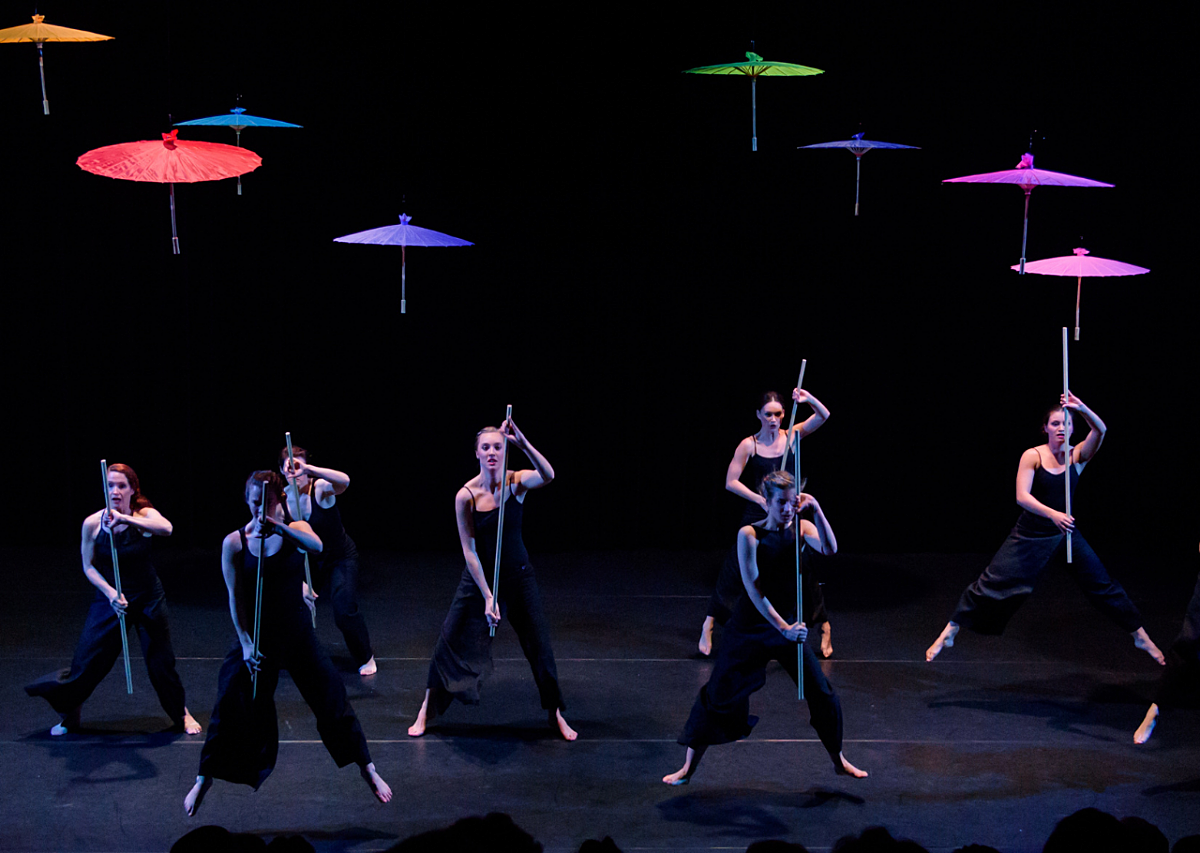
Theater De Kring initially chose to offer less directed theater performances via livestreaming. This was easier to achieve and allowed time to get accustomed to this new way of working. “When streaming, for example, dance, the recording often needs to be coordinated with the choreographer. They know how the audience should see the performance. This requires a lot of preparation, specialized knowledge, and skills from our team,” explains Jan-Hein.
A platform or online environment
To bring the content to visitors' homes, you need a platform or streaming service. De Kring chose NEP: “We upload our recordings via NEP, and then we can choose which channels it can be followed on. For example, the website, YouTube, Facebook, or even the local broadcaster.” Choosing your own platform? Consider not only the costs but also user-friendliness, accessibility, and privacy.
Invest in knowledge and development
“We invested heavily in good equipment and training for our theater technicians. They, of course, already had knowledge of sound and lighting, but live streaming requires new knowledge and skills.” For example, warm lighting is used in a physical performance, but daylight appears better on screen. By critically evaluating the results of each step and recording, you can develop an online theater experience that increasingly resembles the physical experience.
Live streaming requires new knowledge and skills. Invest in good equipment and training.
Jan-Hein gives another example: “We discovered that there is a silence between music pieces when you record them without an audience and broadcast them online. At a live performance, that time is filled with applause; in a recording in an empty hall, it becomes an awkward silence. So now we involve someone to talk between the pieces to keep the viewer engaged.”
Revenue model for online performances
The tickets for online recordings were priced the same as in-hall performances but without the consumption surcharge. “Our argument: online viewers naturally have the advantage of watching together for the price of one ticket. We deliberately do not make video tickets cheaper than in-hall tickets because we want to prevent the audience from no longer visiting the theater.”
Scarcity contributes to success. Performances with few seats in the hall are more popular online. For a performance by comedian Guido Weijers, De Kring easily sold 250 video tickets. A performance by the National Theater also sold well digitally. Scarcity played a role there too, as the National Theater does not perform everywhere.
Digital innovation offers opportunities for audience and product
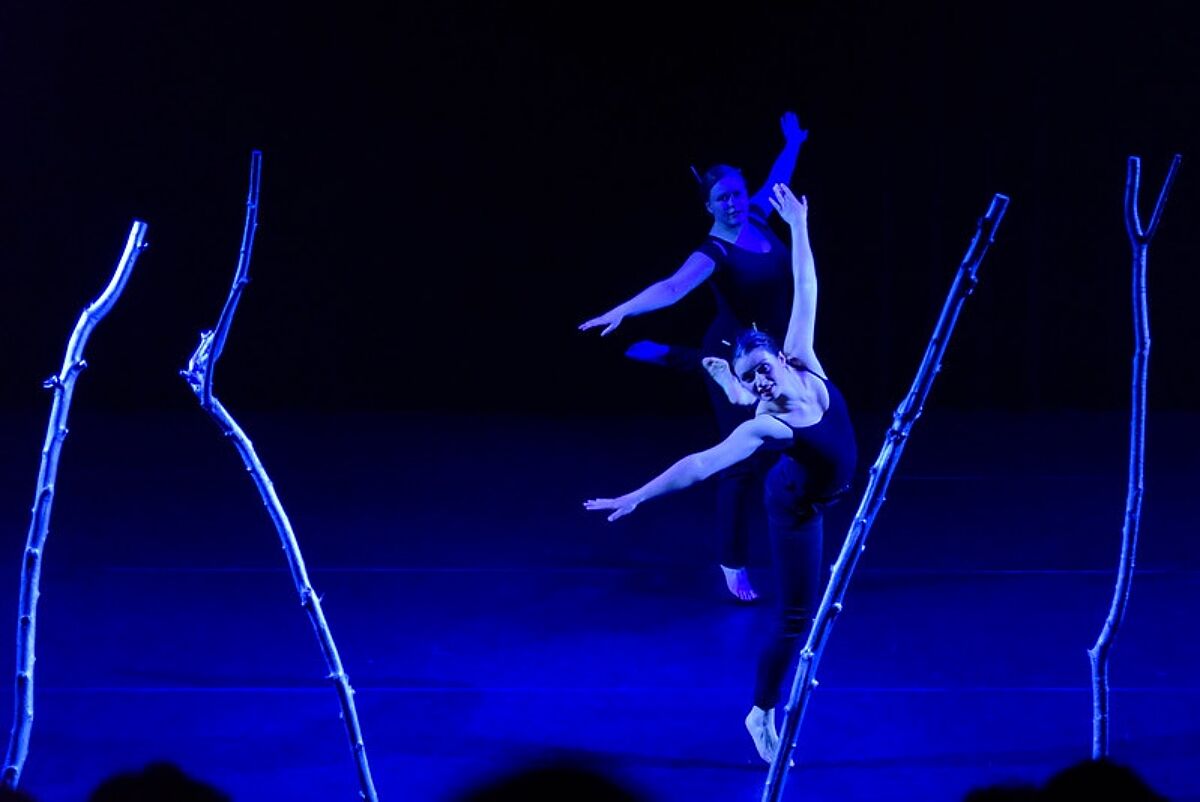
“With this digital offering, we reach new audiences and become more inclusive. This also increases our social reputation. By offering livestreams via various channels, such as YouTube, Facebook, and our own website, we reach different audiences. Moreover, we set an example for other institutions.”
A digital strategy makes you more inclusive. This is increasingly important for organizations that want to retain and grow their audience.
Jan-Hein sees a future in online offerings as a new form of theater experience. This also includes a new business model, where he believes it is time to leverage the knowledge and expertise of theaters. “As theaters, we know best what the audience wants. I am looking for an interaction between regional demand and supply that aligns with it. I believe that as theaters, we can complement theater producers by sharing our knowledge in the areas of inclusion and outreach. Digital innovation offers opportunities for both audiences and products.”
This article was developed in collaboration with Jan-Hein Sloesen, director of Theater De Kring.

More articles per topic
More about digital transformation

Digital transformation: what is it and what can I achieve with it?

Digital Sovereignty in Practice: How FOTODOK Gradually Says Goodbye to Big Tech

Research by Ash Mann on ‘hidden digital work’ in the cultural sector

From social media to office software: how dependent is the cultural sector on Big Tech?