What occupies young people? First of all, they are busy developing their identity. This identity becomes highly visible on social media. We see what appeals to young people and how they like to present themselves. What does this mean for you as a provider of cultural and cultural educational offerings? And how do you reach young adults with this offering?
What we learn from the online behavior of young people
The online behavior of this target group provides information that you can use to your advantage if you want to reach young people. We summarize the key points so you, as a developer or provider of cultural offerings, can benefit from them:
1. Understand the balance between being together and being oneself
On the one hand, young people seek a sense of togetherness, for example through co-creation and communication; on the other hand, they look for a personal experience and interaction. Being aware of this helps to better cater to the experience the young person is seeking.
2. Engage young people with visual content
Video platforms are hugely popular among young people. Visual content dominates social media, and visuals are becoming increasingly appealing. If you use visual content in your educational projects, get inspired by what they post themselves and research how you can capture their attention.
3. Adapt offerings for creativity
Young people are often consumers online but also enjoy being creators. Take this into account when developing your offerings. How can young people express their creativity at your institution?
4. Consider the attention span
The attention of young people online is fragmented and difficult to maintain. This carries over into daily life and is something to accept. Keep your message short, offer a lot of variety, and provide options for how something can be experienced. Allow them, where possible, to decide what they do or create. This is how you reach young people.
5. Ensure representation
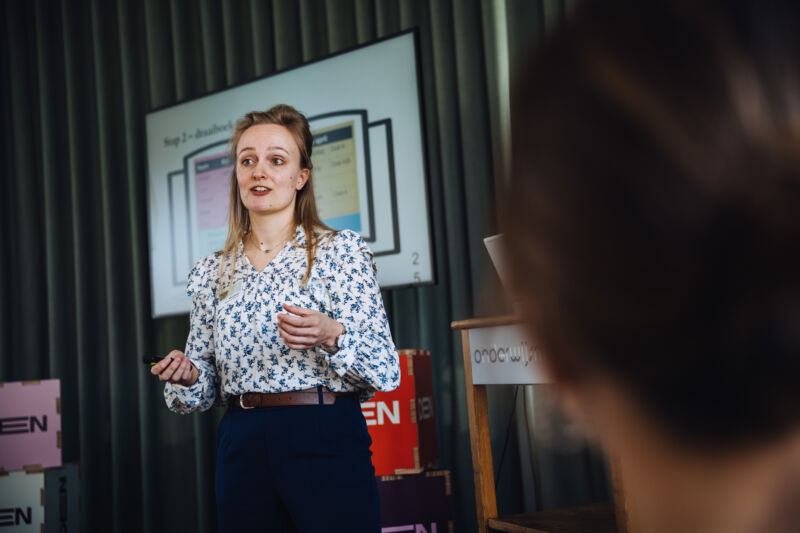
Young people feel addressed by someone they can identify with and are constantly seeking this online. Identity and relatability occupy young people. You can connect with this by involving someone who is not far removed from young people in age. For example, as a presenter in a video or as a group facilitator.
Listen to Cultuurshift, DEN's podcast about digital transformation for culture professionals. Peter Gorgels from the Rijksmuseum and Mélanie Bosveld from Kult & Ace share how to reach young people.
How can you get started?
How you start depends on the organization you work for. If young people are your specific target group, take them as the starting point, as in this example.
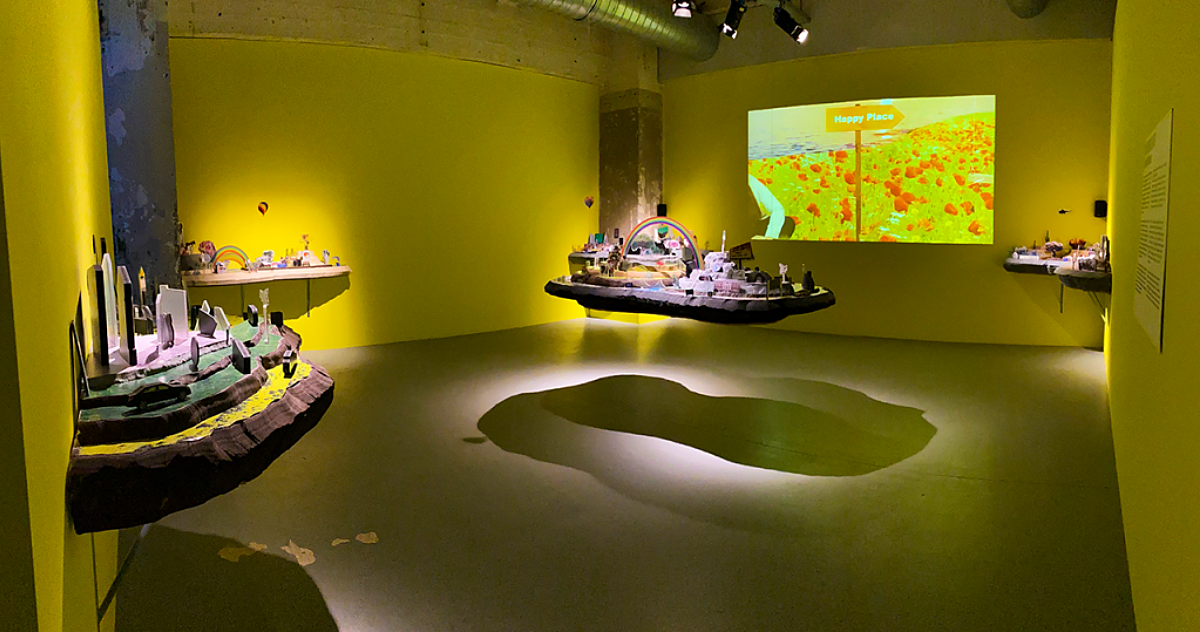
Young people as a starting point: Being in the united Mental States
‘Being in the united Mental States’ is a project where young people fully participate. In fact, they themselves have become the subject.
For a year, artist Emma Verhoeven researched the mental states of Brabant's youth. They held conversations, made podcasts, gave insights into their social media usage, brainstormed, visualized feelings, and ‘worlded’ their fears and dreams.
A theme as a starting point
If you work in a museum, you usually take an exhibition as a starting point. You can also focus on young people in this context.
Think about what you would like young people to take away after their visit. Were they moved? Did they gain knowledge? Were skills trained? Did they become aware of something? In short, what occupies young people?
Ask yourself what connection exists between this content and the current world of young people? Where can I bridge the gap to their identity development and the questions that come with it? How can young people make their voices heard? This is how you reach young adults.
Research in advance what excites them by inviting a diverse group of young people as a panel. Pay special attention to how they find connections to their own lives.
Especially on social media, changes happen quickly. What is trendy now may be outdated next year. So determine how long you want to use the offering, how much time you can invest in updating it, and factor this into your choice of platform or digital tool.

Digital tools as an enriching experience
The use of digital tools should contribute to answering the above questions and add to the experience. In the following example, young people are offered different ways to experience something, with a reward in prospect.
Example: Operation Sigismund
The Drents Archive developed Operation Sigismund with the goal of encouraging students to delve into life in 18th-century Drenthe while also discovering the role of an archive and the research involved. This resulted in an interactive digital detective game that created a strong connection between physically present objects and digital images and tasks.
So, embark on a journey to discover this fascinating target group and take young people on a journey into your story. This way, you remain relevant as an institution for the audience of the future!
Better reach young people? Explore the future
Will you still be able to reach your audience in 20 years? What will your audience and organization look like then? Take these insights with you and incorporate them into your digital strategy.
More articles per topic