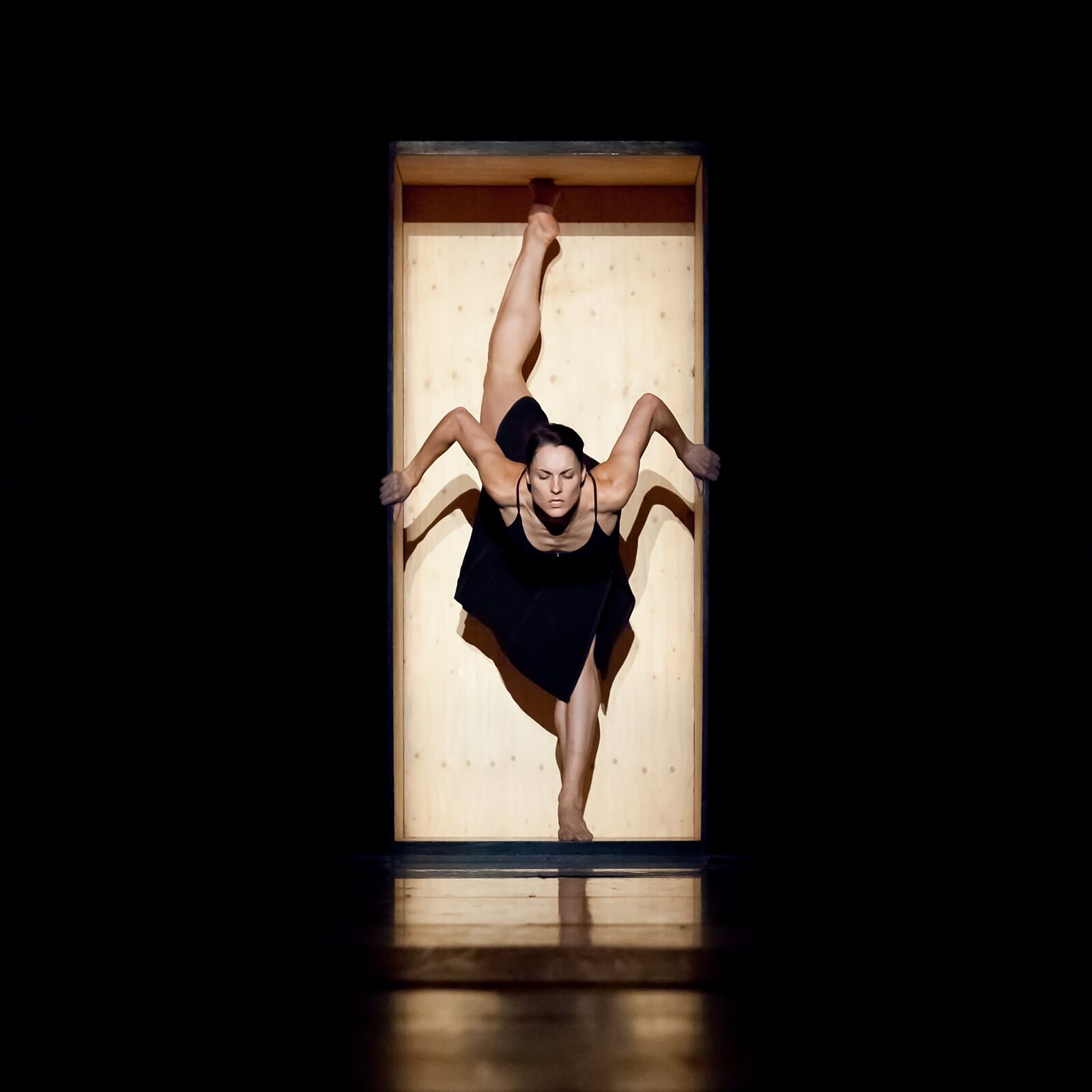
In September 2020, the NDT performed at the Zuiderstrandtheater in The Hague with the program ‘Endlessly Free’. More than 3,000 people watched online. The first experiences with digital livestreams point to a successful new business model. Below, you can read about the factors contributing to the success.
Creating internal support
It was important to create internal support. Because everyone was convinced of the quality that was possible, the dance company could start with confidence. The choreographers and dancers were enthusiastic about the idea of bringing the performance to many people in this way.
How to create a live experience digitally
An important factor is that the stream is broadcast live, simultaneously with the performance on stage. This gives it the same rhythm and atmosphere as an evening at the theater.
To ensure that the livestream does justice to the audience's theater experience, NDT focuses on creative content. Content creator Ennya Larmit: “We took a lot of time for preparation, such as discussing the choreographies with the camera operators to determine possible viewpoints. During rehearsals, they already made video recordings to determine which images worked well. Together with the choreographer, they looked at how the atmosphere and dynamics of the choreography translated well to a screen.”
Every evening was different, which contributes to the feeling of a live experience
The programming was slightly adjusted, but no major changes were made. “I tried to make the experience the same as in the theater, only people at home get a bit closer,” says Ennya.
Each performance was filmed live again and edited and streamed on the spot by Ennya: “Every evening was therefore slightly different, which contributes to the live experience.”

Watching together in the theater and on the couch
Joost Poort, senior manager of commercial affairs, mentions another advantage of the livestreams: “The fact that it is live allows us to charge €15 for the performance. Many people even indicated that they would have been willing to pay more. If it hadn’t been live, it would have been a different kind of product. Then it would be comparable to a regular film or video product, for which you might pay less online.”
Everyone who bought a ticket for the stream received a unique link that could only be viewed on one device at a time. This prevented the link from being shared indefinitely.
Watching together was encouraged, so more people watched than the number of tickets sold. Joost: “A complete dance school watched the livestream together, it was a big hit.”
The cultural audience is willing to pay for engaging online content.
Reaching new and international audiences
Over 3,000 digital tickets were sold for the three evenings, and because many people watched together, the number of virtual visitors was even higher, both nationally and internationally.
The plan for the livestreams also included the ambition to reach a broad, international audience. “Normally, we are in New York once every three years, but now we can offer that audience a full performance more frequently,” says Joost.
60% of NDT's online visitors came from abroad.
Hybrid format in Parkstad Limburg Theaters
Another example is the performance Endlessly Free. NDT did not perform this show in Limburg. Therefore, they devised a hybrid format: The performance could be attended via an online stream in a local theater. The audience was enthusiastic: “This was really cool because of the livestream on the big screen in the theater,” says one visitor, “It felt truly live. Many thanks for this unique opportunity, Bravo!” “Beautiful performance and unique to see dancers so up close,” adds another visitor.
The experience is different but not inferior to a live performance. Janneke Schmeitz, dance programmer: “The audience strongly felt the need to applaud - and they did - which feels a bit strange for an ‘empty’ stage. But this is precisely the extra experience we were aiming for.”

The success of digital and physical
“Our results show that it is a misconception to think that digital hinders theater attendance; it is a complement,” says Joost, “The most important thing we achieved is a project that leaves everyone with a happy feeling. It certainly didn’t go without challenges, but in hindsight, everyone is extremely proud. Financially and statistically, the results are good. The dancers are happy that it was well-watched, and the choreographers have seen that it does not detract from their work.”
He hopes that the experiences with the first livestream can serve as a foundation for the future: “Everyone is enthusiastic; we can continue this and create a proposition for a new audience.”
Want to know what other steps NDT has taken? Listen to the podcast episode where DEN talks to NDT about their platform and accessible culture.
Curious about how you can reach the audience of the future?
View the program
More articles per topic