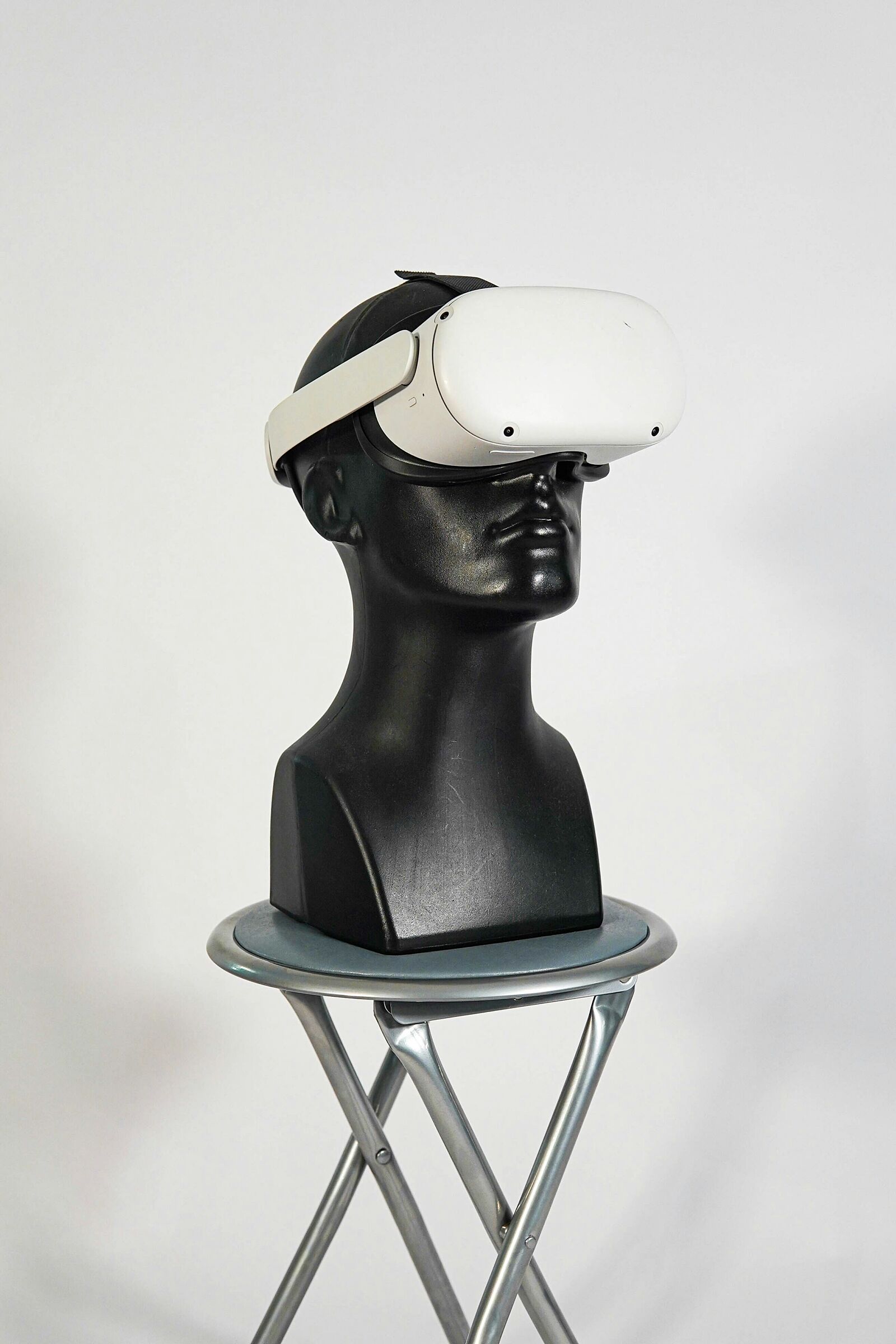
One of those special initiatives is Dovenland, a VR performance by theater maker Chantalla Pleiter. Pleiter creates immersive art experiences where, as a visitor, you are not just watching but standing in the middle of another reality with all your senses. With Dovenland, she invites you to literally step into the shoes – or rather, the world – of the deaf community.
“You discover the world not only by reading or watching,” says Pleiter, “but also by feeling, hearing, smelling. And sometimes precisely by experiencing what is not there – such as silence or distorted sound.” In Dovenland, that is exactly what happens: through VR, you experience how sound is perceived with a cochlear implant (CI), meet characters from the deaf community, and are drawn into their stories. The result is not a dry explanation, but an encounter that touches and stays with you.

“Digital accessibility goes beyond offering subtitles or sign language interpreters. It is about truly understanding how others experience the world – and actively responding to that as an institution.”
Seeing the World Differently Together
Visitors are welcomed upon arrival by a deaf host or hostess. Then, together with seven others, you step into a virtual world. The sound around you slowly changes, and you only hear what a CI user would hear: filtered, distorted, and sometimes fragmented. From this new perspective, a young boy guides you through Dovenland, while sharing the history and stories of the deaf community with you.
What is important about Dovenland is that it is not an individual but a shared experience. You see each other in the virtual space, experience the same moment, and discuss it together afterward. In the post-discussion – led by a deaf moderator and interpreter – impressions are shared. Often, visitors only then realize how little they previously knew about this way of life.
Why This Matters for the Cultural Sector
Digital accessibility goes beyond offering subtitles or sign language interpreters. It is about truly understanding how others experience the world – and actively responding to that as an institution. Projects like Dovenland show that technology does not have to be distant but can actually create connection.
For cultural organizations, this means:
- Involve the community in the creation process so that your programs truly align with their experiences.
- Design for everyone from the start, rather than making adjustments afterward.
- Opt for shared experiences so that visitors with and without disabilities can discover together.
From Obligation to Opportunity
Since June 2025, cultural organizations are legally required to have a digitally accessible website. This is an important step, but it is only the beginning. The next step is to engage with people with disabilities to understand what they need to further reduce barriers. This could involve making physical locations accessible, adapting products and offerings, or developing new ways to experience culture.
World Deaf Day is an excellent moment to start with this. Because the more people feel welcome and seen, the richer and more diverse the cultural sector becomes. As Pleiter says: “By stepping into someone else's perspective, you start to look at your own world differently. Technology can make that step possible.”
Would you like to start with digital accessibility or ensure that your colleagues also understand what digital accessibility entails? Purchase DEN’s e-learning Digital Accessibility for Culture (opens in new tab). This will teach you why you should become digitally accessible, for whom, and how to do it.
Summary
During World Deaf Day on September 28, the deaf community takes center stage. Theater maker Chantalla Pleiter developed the VR experience Dovenland, in which visitors experience the world from the perspective of deaf people and CI users. The performance combines stories, sound experiences, and encounters, showing that digital accessibility goes beyond subtitles or interpreters: it is about truly understanding and sharing. For cultural organizations, this offers opportunities to program more inclusively by actively involving communities, incorporating accessibility from the start, and creating shared experiences. With the new legal requirement for digital accessibility (starting June 2025), this is not only necessary but also an opportunity to make the sector richer and more diverse.

More articles per topic