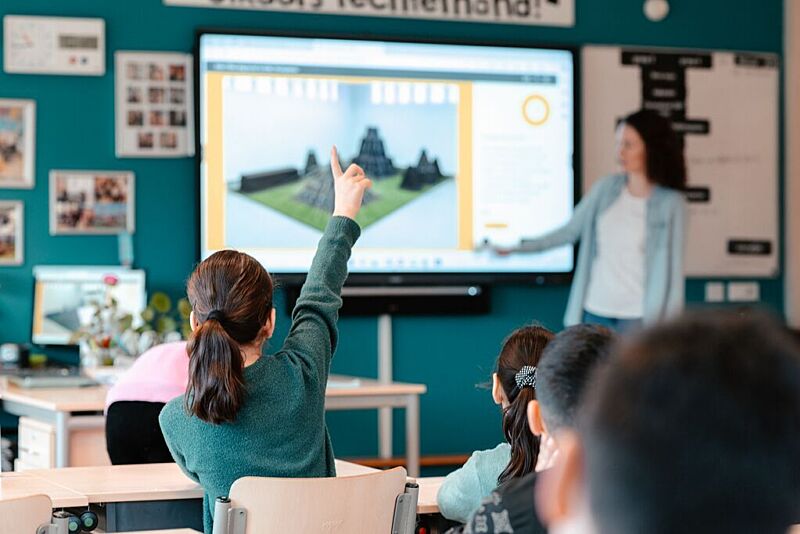
Digital technology is increasingly being used in cultural institutions as a means of interactive experience. Culture professionals are exploring how digital technology can contribute to a deeper and more playful relationship with the audience.
Perspective from science
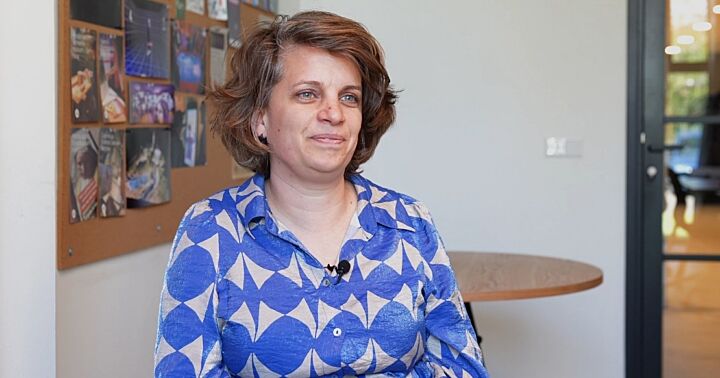
Willemijn Elkhuizen (TU Delft), an expert in digital technology in the heritage sector, emphasizes how important it is not to see digital tools as an end in themselves, but as a means to engage audiences more deeply with culture and heritage. Technology can bridge the gap between heritage and experience by stimulating all the senses.
Interactive playground: learning through experience
Various existing projects show how screen-free digital applications can actively and sensorially engage audiences. The examples below illustrate the wide range of possibilities, from soft plush toys that tell stories to dark experiences that change your perspective on inclusivity.
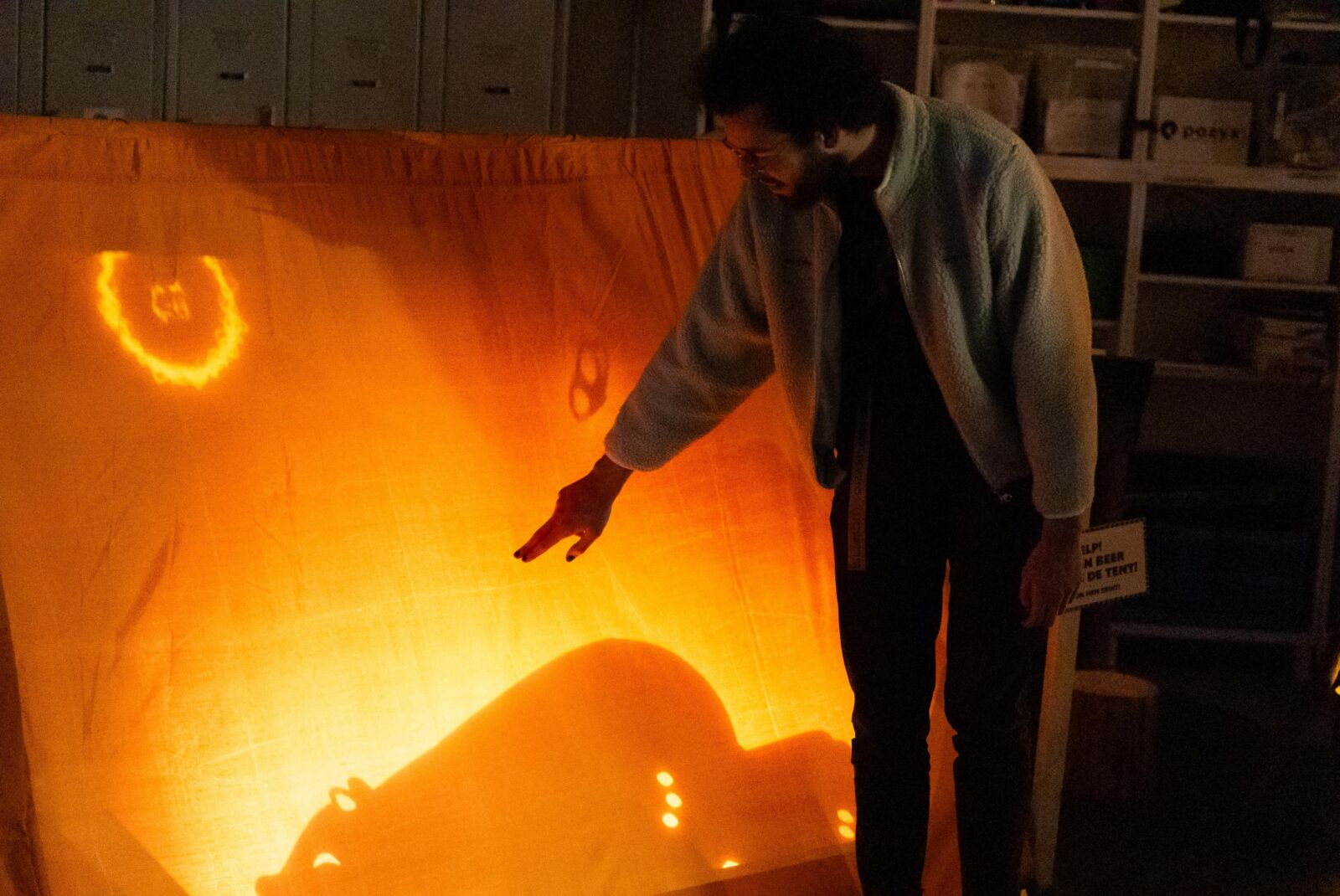
Help, there’s a bear in my tent!
This immersive installation by Marieke van der Burg and Leon van Oldenborgh allows visitors to literally step into an experience. The project combines physical interaction and storytelling, making participants feel part of a playful adventure.

The Big Do and Listen Tour
With the Frans Hals Museum Maret van Esch developed an audio experience especially for children. By working together with the target audience, a concept was created that is not only educational but also resonates with the children’s own world of experience.
Tellmies by Go Wonder
The soft, talking plush toys by Go Wonder are now familiar faces in museums. These objects bring stories to life, turning listening into a physical, interactive experience.
TimeShift in the Dark
In collaboration with Kiss the Frog , visitors can experience what it’s like to navigate the world without sight. This experience literally places participants in a different position and demonstrates how technology can contribute to inclusivity and empathy. Visitors become more aware of different ways of perceiving and experiencing.

What can you take away?
How can you use digital technology consciously and creatively? These examples show that digital technology can be much more than a screen. By creating tangible, sensory experiences there is room for imagination, play, and inclusion. Whether you work in a museum, festival, or performing arts, these examples prove that the power of technology lies in the interaction with the audience.
More articles per topic