Mirjam Verloop, involved with the Dutch Dance Days since January, has an important task: she is developing a digital platform for this organization. "The Dutch Dance Days is an organization dedicated to Dutch dance, with the highlight being an annual festival in Maastricht. On our digital platform, there will be year-round space for knowledge sharing, presentation, and production."
The idea for the platform arose during the first year of the coronavirus crisis. "When the pandemic continued to impose restrictions in the Netherlands, the Dutch Dance Days quickly decided to hold a digital festival that year instead of a physical one. Even when the live version could resume, the online festival remained. The potential of that digital version became immediately clear: not only do creators today enjoy experimenting with digital technology, but you also reach a completely new audience with such offerings. Not everyone can come to Maastricht, for example, because the distance is too great or because someone has a physical disability."

Depth and Connection
The digital platform forms a full-fledged alternative to the physical offerings. Not only is the online environment accessible year-round, but it also provides space to delve deeper into the Dutch dance offerings.
"At the physical festival, we reflect on the past, present, and future," Verloop explains. "We look at historical and contemporary dance forms, but we also provide space for experimentation. You will see this tripartite structure reflected on the platform as well. Many stories usually disappear after the festival: web pages are taken down, and program booklets are thrown away. Now that content will be preserved."
And that is important, Verloop believes. "The Dutch Dance Days sees dance as a way to highlight broad societal themes: because no language is needed, it is understandable to everyone. To reach as broad an audience as possible, a platform is more suitable than a festival: it is less fleeting, and the information remains available. Moreover, digitization contributes to preserving and unlocking our heritage."
"The Dutch Dance Days sees dance as a way to highlight broad societal themes: because no language is needed, it is understandable to everyone."
Types of Accessibility
The Dutch Dance Days does everything possible to make dance accessible to everyone, according to Verloop. "Physically, it’s about ensuring that locations are accessible to people with disabilities. But it also means offering a diverse range: in terms of content and price. It’s no coincidence that the online program is free this year: this makes it accessible to people with limited financial resources."
In the online realm, attention is given to the construction, design, and content of the website so that it is easy for everyone to use. On our platform, we adhere to the WCAG, the international guidelines for digital accessibility. We use sufficient color contrasts, offer multiple languages, and alternate between text and images. Additionally, we aim for accessibility by offering various dance styles. We also consider the best format to present information. Is it always text and images, or are other formats conceivable? New technologies offer opportunities in this regard."
Want to know more about online accessibility? Read more about the importance and necessity of digital accessibility.
Verloop is still in the exploratory phase. She is speaking with colleagues and partners in the field. The platform is also being tested in phases by people with firsthand experience. Additionally, Verloop is studying examples from other institutions. One such example is Jacob’s Pillow: this American dance hub, which includes a school, an online program, and a festival, offers a comprehensive online environment with blogs, events, and more.
Exciting for the Organization
An important question is also access to the platform. "We’ve experimented with this in recent years: from free registration to tickets costing a few tens of euros to a simple link, all have their pros and cons. You want to keep the threshold as low as possible, but you also don’t want to give away all your content for free. Ideally, we want to ask for as little data as possible, for example, by enabling login with an existing account. On the other hand, we also want to develop an online community, and for that, such data is sometimes necessary."
"It remains a delicate balance between accessibility and artistic freedom."
The development of a digital platform is always exciting for an organization, Verloop knows from experience. There must be ongoing consideration of the relationship between the physical festival and the digital content. Shifts in roles and budgets can also occur. In recent years, for example, the Dutch Dance Days has evolved from a festival organization with a small core team that temporarily expanded in the run-up to the festival to a continuous organization with a permanent team throughout the year.
The plan is to deliver a first version of the digital platform during the 2024 festival. A recent step is the launch of the new website. In this process, testing with target groups is important, particularly regarding accessibility. "I’m curious to see if we can make the website fully digitally accessible," Verloop looks ahead. "How do we handle it, for instance, if a company submits a complex text? Do we rewrite it, discuss it with them, or leave it as it is? It remains a delicate balance between accessibility and artistic freedom."
Tips for Organizations Working on an Accessible Digital Platform
Recognize that digital accessibility is for everyone
Digital accessibility is not only important for a specific target group but for everyone. Take subtitles, for example: they are not only useful for people who are deaf or hard of hearing but also for those who cannot or do not want to turn on sound, such as when on a train.
Take a clear stance on the importance of accessibility
Ensure that the entire organization recognizes the importance of digital accessibility, not just management and the external web developer.
View digital accessibility guidelines as the beginning, not the end
The so-called WCAG guidelines are a good starting point for digital accessibility, but users provide real insights into what works and what doesn’t. Always engage with them when working on accessibility and have them test your product.
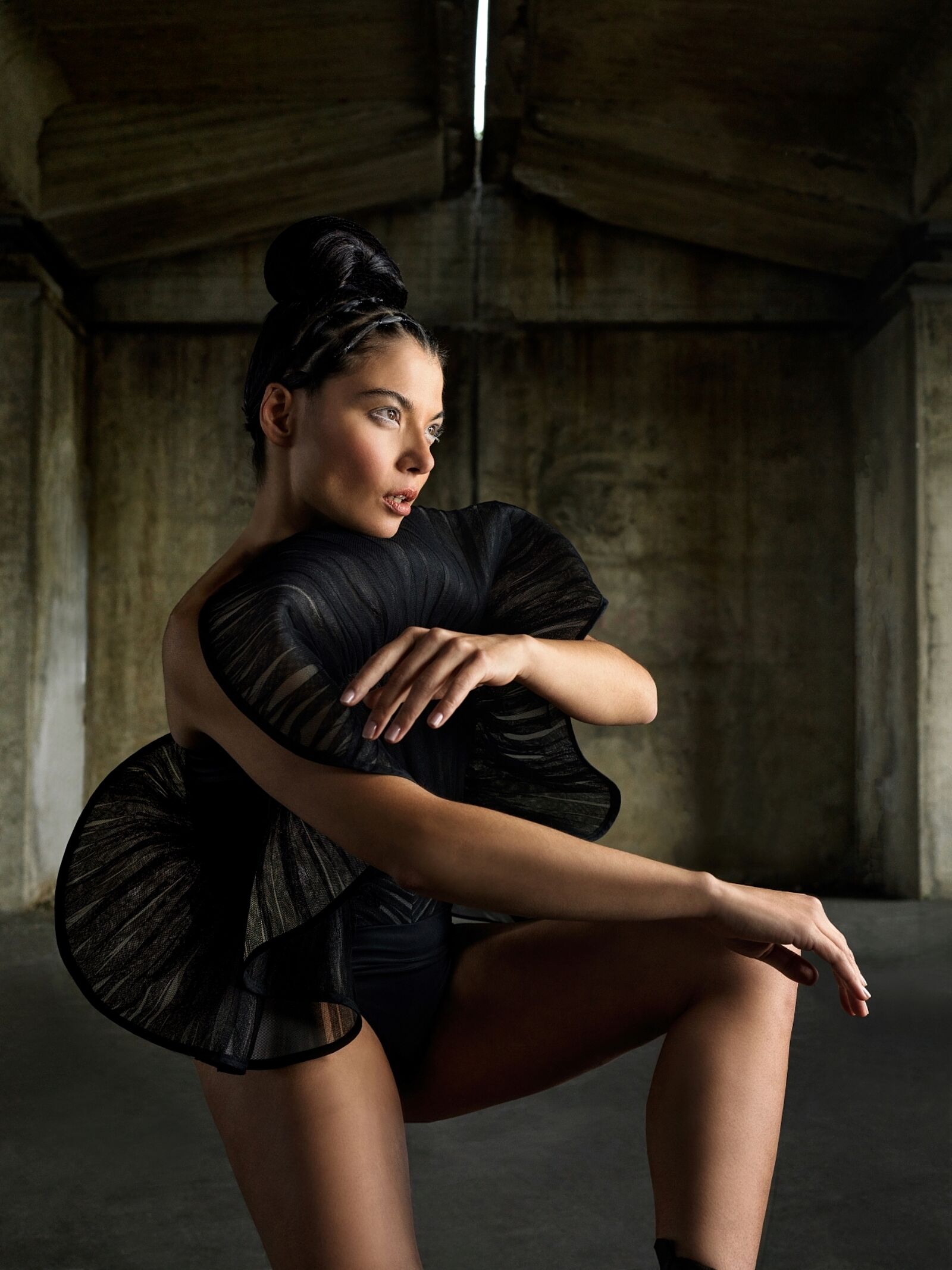
Photos in this article: Dutch Dance Days by Hugo Thomassen, the model is dancer and choreographer Wennah Wilkens.
More articles per topic
More about digital transformation

Digital transformation: what is it and what can I achieve with it?

Digital Sovereignty in Practice: How FOTODOK Gradually Says Goodbye to Big Tech

Research by Ash Mann on ‘hidden digital work’ in the cultural sector

From social media to office software: how dependent is the cultural sector on Big Tech?