Keeping the Audience Central
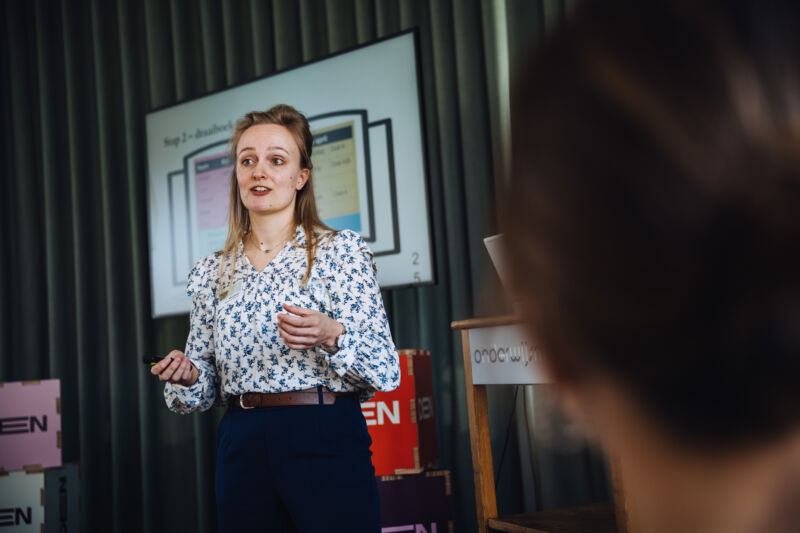
The core of her argument is that if you want to remain relevant as a cultural institution, you must actively focus on public engagement. Smart use of public data plays a key role in this. Only by knowing who your audience is - énd who you are not yet reaching - can you effectively tailor your offerings, marketing, and policies. This requires well-accessible data infrastructures, as well as knowledge on how to translate data insights into practice. Institutions that serve specific target groups, and initiatives specifically aimed at young people (such as the Danish counterpart of the CJP Culture Card), play an important role in this. Lene advocates for using audience-focused work with the help of data as a strategic necessity.
Developments in the Netherlands
This vision aligns well with what has happened in the Netherlands in recent years. The importance of public data for increasing public engagement is increasingly recognized. Thanks to the infrastructure that is now being built in cities and regions, and tools such as the Cultural Target Group Model, the Audience Monitor for the Performing Arts, and the CJP Culture Card, institutions and policymakers are gaining more and more insight into who their audience is and how to reach and engage them.
By sharing outcomes and experiences with each other, we strengthen each other and learn together. Moreover, this work has led to new collaborations with sectors such as tourism. There too, insight into visitors is essential, and there is extensive experience in researching what interests and motivates people. The outcomes of the various projects in recent years provide a shared ‘language’ to make public engagement discussable and concrete.
Culture with Impact
It is a significant achievement that the theme of public data is now widely embraced within the cultural sector. There is an understanding that only through collaboration can we achieve true public engagement.
For the future, there are promising ambitions: working towards a nationwide rollout of the Cultural Target Group Model, further development of standardization, and in Europe, seeking collaboration with peer organizations such as Applaus.
At DEN, we will tackle this with full energy in the coming years. Together, we can further increase the impact of the sector.

More articles per topic